Malabon Culture & History
Immerse yourself in the rich tapestry of Malabon's heritage, traditions, and stories that have been woven through centuries.
Explore Our Heritage
Malabon's Fishing Heritage
Discover how Malabon's identity as a fishing town shaped its culinary traditions and community.
Historic Landmarks
Explore centuries-old churches, heritage houses, and monuments that tell Malabon's story.
Festivals & Traditions
Experience vibrant fiestas, religious celebrations, and cultural events unique to Malabon.
Journey Through Time
Discover the key moments that shaped Malabon's identity
Tambobong Founded
On May 21, 1599, the settlement originally called Tambobong was founded as a visita (mission station) of Tondo by the Augustinians. The name referred to the abundance of 'tambo' plants.
Renamed to Malabon
The settlement adopted the name 'Malabon' from the Tagalog phrase 'maraming labong,' meaning 'plenty of bamboo shoots,' reflecting the area's abundant bamboo vegetation.
San Bartolome Parish Established
On May 17, 1614, Tambobong was elevated to an independent parish dedicated to Saint Bartholomew the Apostle, marking early community organization.
Economic Development
Throughout the 18th and 19th centuries, the area developed economically under Spanish rule, engaging in agriculture, fishing, and trade due to its proximity to Manila Bay.
Part of Rizal Province
On June 11, 1901, under the American colonial government, Malabon was made part of the newly created Rizal Province via Philippine Commission Act No. 137.
Independent Municipality
On January 16, 1906, Malabon was separated from Navotas by Act No. 1441, reestablishing it as a distinct municipality.
Dolor's Kakanin Established
The iconic Dolor's Kakanin opened its doors, beginning a legacy of traditional Filipino rice cakes that continues today.
Pancit Malabon Created
Chinese immigrants combined thick rice noodles with abundant seafood from Manila Bay, creating the signature Pancit Malabon.
Part of Metro Manila
On November 7, 1975, by virtue of Presidential Decree 824, Malabon became part of the newly formed Metro Manila (National Capital Region).
Cityhood Achieved
On April 21, 2001, the municipality of Malabon was converted into a highly-urbanized city under Republic Act 9019, officially becoming the City of Malabon.
First Female Mayor
Jeannie Sandoval made history as Malabon's first female mayor, bringing fresh leadership and focus on education and women's empowerment.
425th Foundation Day
In June 2024, the 425th Foundation Day of Malabon was commemorated, recognizing the city's historic roots dating back to 1599.
Guinness World Record
Malabon set a Guinness World Record with 6,549 bowls of Pancit Malabon lined up in a single event, celebrating its culinary heritage.
Cultural Stories
Discover the legends, traditions, and heritage that define Malabon
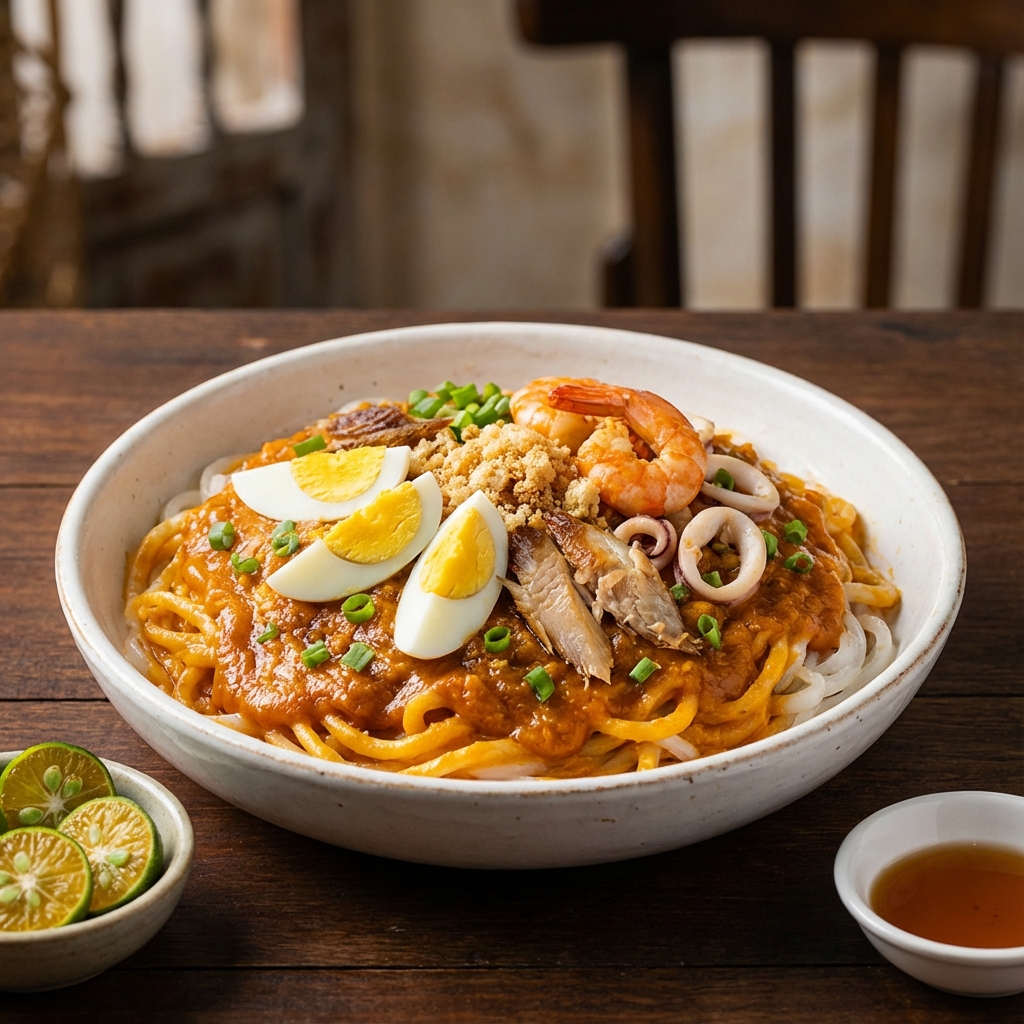
The Legend of Pancit Malabon
Pancit Malabon originated from the abundance of seafood in the area. Fishermen's wives would cook noodles with whatever fresh catch was available, creating the rich, seafood-heavy sauce we know today. Traditionally served in bamboo bilao trays during celebrations, this dish represents the resourcefulness and culinary creativity of Malabon's coastal communities.
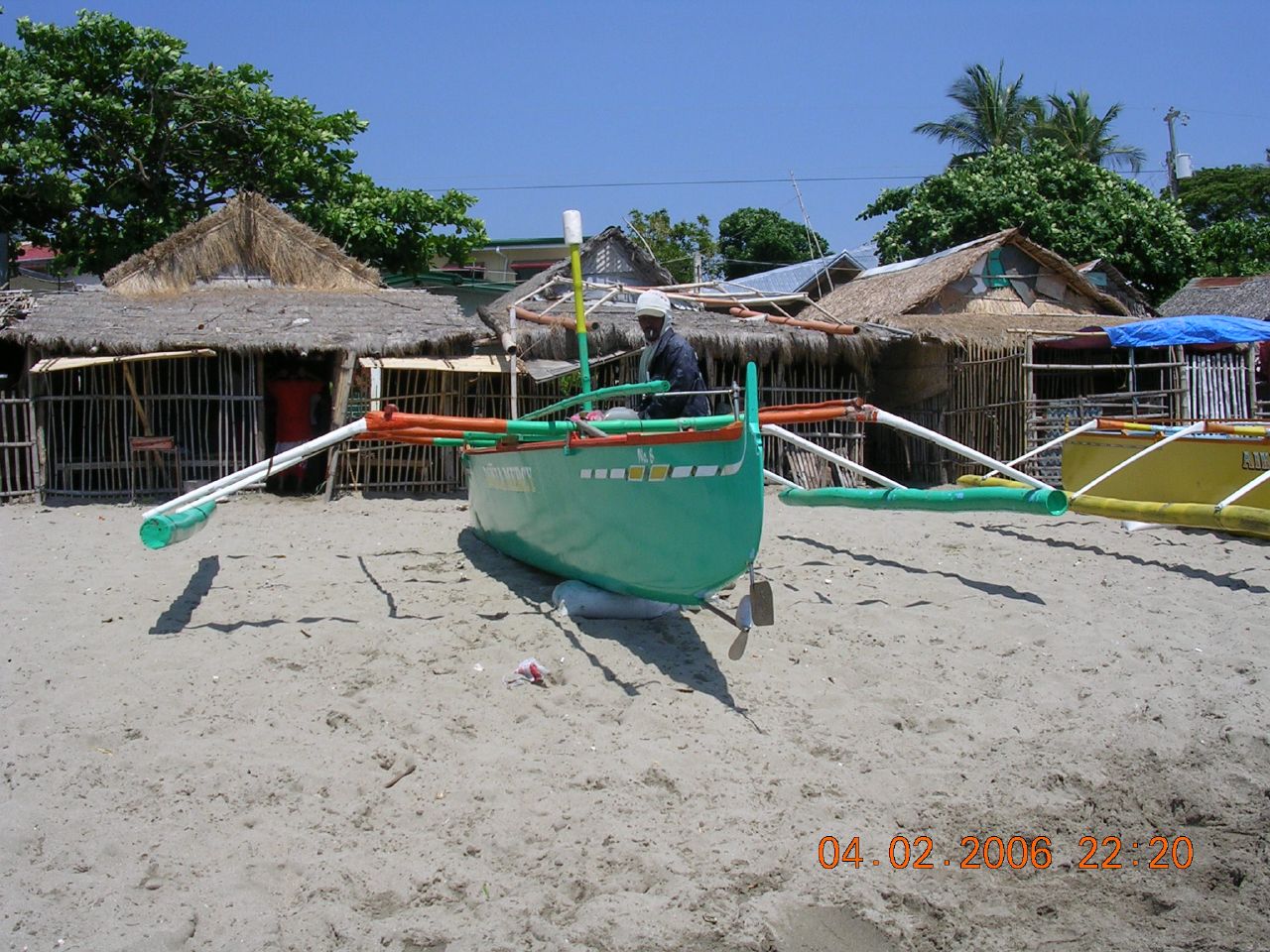
Malabon's Fishing Heritage
For centuries, Malabon has been a thriving fishing community along Manila Bay. Traditional bangka boats with colorful outriggers still dot the waterways, carrying fishermen who continue the traditions of their ancestors. The city's name itself comes from 'malabon,' meaning 'plenty of fish,' reflecting its rich maritime heritage that continues to shape local culture and cuisine.

The Malabon River Story
The Malabon River has been the lifeblood of the city for generations. Its waters connected communities, enabled trade, and provided sustenance through abundant fish and seafood. Though the river faces modern challenges, it remains central to Malabon's identity. The waterways that once brought prosperity continue to inspire the city's resilience and the unique flavors that define Malabon cuisine.
A City Built on Water
Malabon's name itself means "plenty of fish" in Tagalog, a testament to its rich fishing heritage. The city's network of waterways and proximity to Manila Bay made it a natural hub for fishing and seafood trade.
This maritime heritage is deeply embedded in Malabon's cuisine, from the fresh bangus (milkfish) used in Rellenong Bangus to the tinapa (smoked fish) sold in local markets.
The Fishing Capital
Discover why Malabon is known as the Venice of the Philippines